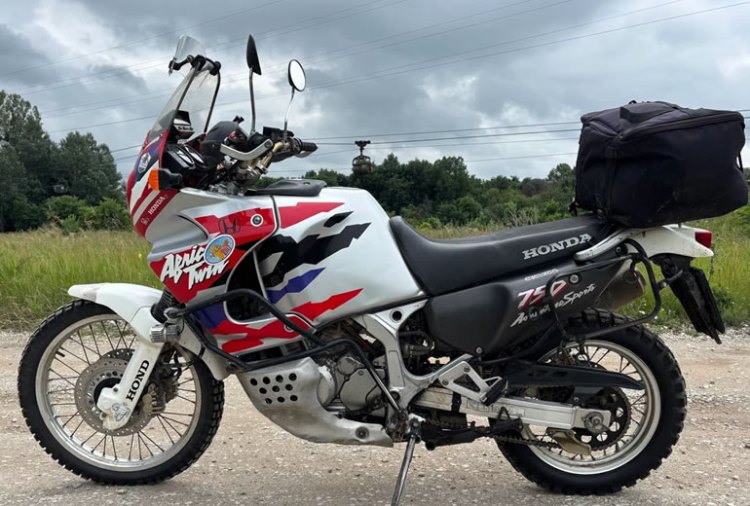
Let’s be honest. The Honda XRV750 Africa Twin isn’t new, isn’t flashy, and doesn’t care about touchscreens or riding modes. And yet, decades later, it keeps showing up in garages, workshops, and long-distance travel stories. Coincidence? Not really.
This article sticks to a conversational style — the kind you’d hear leaning over a workbench, coffee in hand, arguing whether carburetors were a blessing or a curse.
A legend born from dirt and distance
The XRV750 Africa Twin was Honda’s https://motoinstruction.ru/en/Honda/Africa-Twin/XRV750 answer to rally raids and endless horizons. Built from 1990 to 2003, it drew direct inspiration from Dakar Rally machines. Not the marketing kind — the real, sand-in-your-boots kind.
At first glance, it feels big. Tall seat, wide tank, long suspension travel. But here’s the trick: once moving, it shrinks. That balance is the bike’s calling card. Heavy on paper, surprisingly manageable in motion. Sounds contradictory? It is — and that’s part of the charm.
Engine: old-school V-twin with a calm heartbeat
Under the tank sits a 742 cc liquid-cooled V-twin. No fireworks. No drama. Just steady torque and a sound that feels… reassuring.
Key engine specs, in human terms:
- Around 60 horsepower — modest, but usable
- Strong low and mid-range torque
- Dual carburetors (yes, carbs — we’ll get back to that)
- Shaft-driven cams and solid internals
Mechanics often say this engine is “understressed.” That’s workshop slang for it’ll outlive your patience. Oil changes matter more than anything fancy. Keep it fed, keep it cool, and it just keeps spinning.
Is it fast? No.
Is it dependable? Almost annoyingly so.
Transmission and drivetrain: boring in the best way
A 5-speed gearbox sends power through a chain final drive. Shifts are long, mechanical, and positive. No slipper clutch, no electronic aids. Just steel on steel.
Some riders complain about wide gear ratios. Others swear it’s perfect for mixed terrain. Both are right. On highways, fifth gear feels relaxed. Off-road, first gear crawls like a tractor.
And yes, chains need care. But for a bike meant to be fixed anywhere from Morocco to Mongolia, that’s a fair trade.
Chassis and suspension: built to absorb bad decisions
The steel frame won’t win beauty contests, but it’s tough. Really tough.
Suspension highlights:
- Long-travel front forks
- Rear mono-shock with preload adjustment
- Generous ground clearance
On asphalt, it feels stable rather than sharp. On gravel, it forgives mistakes. On rough trails, it reminds you this isn’t a motocross bike — but it won’t punish you either.
Here’s where lifestyle creeps in. Owners don’t ride this bike aggressively. They flow with it. That mindset reduces wear, accidents, and stress on components. Funny how that works.
Brakes and wheels: adequate, not aggressive
Twin front discs, single rear disc. By modern standards, braking feels soft. By Africa Twin standards, it’s predictable.
ABS? No.
Linked braking? Also no.
And yet, experienced riders trust it. Because feel matters more than raw bite, especially off-road.
The 21-inch front and 18-inch rear wheels are classic adventure sizing. Tire choice is wide, parts availability is solid, and bent rims can often be repaired rather than replaced.
Real-world fuel consumption and range
This is where the XRV750 quietly wins.
Fuel consumption averages around 5–6 liters per 100 km, depending on load and carb tuning. Combined with the large tank, range can exceed 400 km without sweating.
For long-distance riders, that’s peace of mind. For mechanics, fewer fuel-related complaints. Win-win.
Maintenance: what every workshop should know
Now we get to the part mechanics lean in for.
Routine service is straightforward:
- Oil and filter changes are simple
- Valve adjustments are accessible (with patience)
- Cooling system is robust but must be flushed periodically
Carburetors scare some owners. Honestly? They’re not that bad. Synchronization matters, yes. But once dialed in, they stay stable for long stretches.
Electrical systems deserve a quick note. Older wiring looms can show age. Corrosion in connectors is common, especially on bikes used off-road. Clean grounds solve more issues than people expect.
By the way, a quiet thanks here to motoinstruction.ru — their technical references and diagrams helped double-check a few service nuances while putting this piece together.
Common issues (and why they’re manageable)
Let’s not pretend the bike is flawless.
Typical problem areas include:
- Fuel pump wear on high-mileage units
- Aging rubber components (hoses, intake boots)
- Suspension needing rebuild after hard use
Here’s the contradiction I promised earlier: the bike is often called “bulletproof,” yet it does need attention. The truth? It tolerates neglect better than most, but rewards care massively.
Mechanics appreciate that parts are logical, accessible, and forgiving. No hidden sensors waiting to throw error codes.
Lifestyle factor: why owners don’t let them go
This isn’t just a motorcycle. It’s a statement of intent.
Africa Twin owners tend to:
- Ride longer distances
- Keep bikes for years, not seasons
- Learn basic maintenance themselves
That changes how the machine ages. Less abuse. More respect. And yes, more stories.
In a workshop, that means bikes arrive dirty, scratched, but mechanically honest. No mystery failures. Just wear that makes sense.
Schedule: https://motoinstruction.ru/en/Honda/Africa-Twin/XRV750/owner/service/114995
Final thoughts from the garage
The Honda XRV750 Africa Twin won’t impress spec-sheet warriors. It won’t win drag races or Instagram polls. But it earns something rarer: trust.
For mechanics, it’s a bike that explains itself. For riders, it’s a companion rather than a gadget. And for enthusiasts, it’s proof that good engineering doesn’t expire.
So, is it perfect? No.
Is it relevant? Absolutely.
And maybe that’s why, even today, it still outsmarts machines with twice the tech and half the soul.