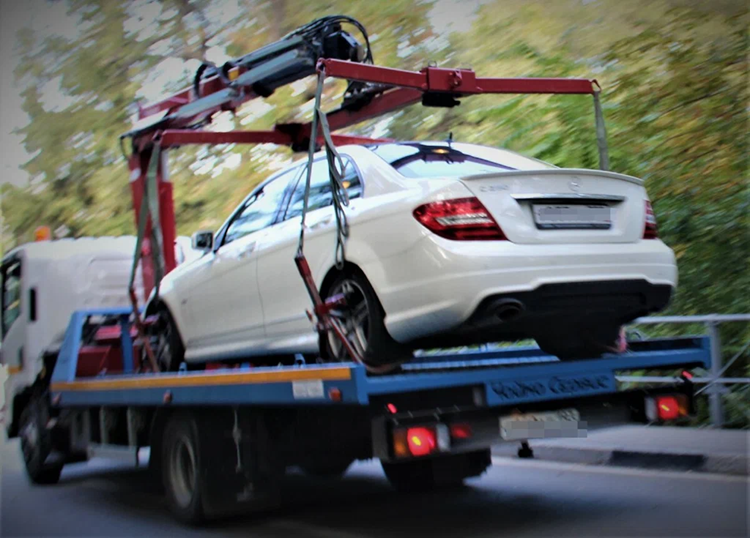
Vehicle towing is the transportation of a faulty, damaged, or improperly parked vehicle using specialized equipment or other legal means.
Choosing the right method helps avoid additional breakdowns, fines, and conflicts with other road users.
The towing approach from https://mtstowing.ca/ depends on the drive type, transmission, nature of the damage, availability of a loading area, and safety requirements. Below are the main towing options and practical recommendations that will be useful on the road and in the city.
Tips before and during towing
1) Check the drive type and transmission. For many vehicles with automatic transmissions and all-wheel drive, wheel towing is not recommended or has speed/distance limitations. When in doubt, choose a full load.
2) Assess the damage. If the body is deformed, fluids are leaking, wheels are jammed, or the suspension is damaged, a fully loaded tow truck is safer.
3) Prepare the vehicle for loading. If possible, put the car in neutral (if permitted), release the handbrake only when instructed by the tow truck driver, remove valuables from the interior, and secure any loose parts (hood, trunk).
4) Check documents and addresses. Prepare your vehicle documents and driver’s license, and confirm the pickup location and final address (service center, parking lot, or home) in advance.
5) Record the vehicle’s condition. Take photos before and after loading, especially if there is damage. This is useful in disputed situations.
6) Choose clear terms. It’s important to know the price in advance, including whether loading/unloading, waiting time, night rates, parking fees, and accessibility features are included.
7) Consider difficult areas. For underground parking lots, narrow courtyards, low arches, and tight driveways, a tow truck of the appropriate dimensions and platform type is required.
8) How to quickly arrange delivery. In an emergency, it’s convenient to order a tow truck online by specifying the vehicle make, location, type of malfunction, and destination.
A properly selected towing method reduces the risk of damage to the transmission, suspension, and body, and saves time. If conditions are in doubt, it’s safer to opt for a fully loaded vehicle with careful securing of the vehicle on the platform.
When and Why Towing Is Required: Key Situations and Selection Criteria
Vehicle towing is necessary when continuing to drive is dangerous, illegal, or technically impossible. In such cases, the correct loading and transport method reduces the risk of additional damage, simplifies communication with road services, and helps get the vehicle back in working order faster.
The choice of a tow truck depends not only on the breakdown itself but also on the following factors: drivetrain and transmission type, ground clearance, weight, nature of the damage, location of the vehicle, and traffic regulations. The more accurately you describe the situation to the dispatcher and the more competently you select the towing method, the less time and expense it will take to resolve the problem.
Summary: How to understand that a tow is truly necessary and what to provide when ordering
Towing is required if the vehicle cannot be safely moved under its own power, there is a risk of worsening the breakdown, or there are legal grounds (e.g., illegal parking, vehicle impoundment). The safety of people and the safety of the vehicle always come first.
Key situations when it’s best to avoid risks and call a tow truck:
- Accidents: damaged wheels, steering, or suspension, fluid leaks, or airbag deployment.
- Transmission/drivetrain problems: especially for automatic transmissions, continuously variable transmissions, and all-wheel drive systems, improper towing can lead to expensive repairs.
- The engine won’t start in a place where parking is dangerous or prohibited (highway, tunnel, bridge, narrow lane).
- Problems with brakes or steering, significant play, or wheel seizure.
- Stuck (in snow, mud, or a ditch) or the need for careful loading with low ground clearance/body kit.
- Legal reasons: towing by order of the authorities, moving from the scene of the violation.
Criteria for choosing a method Towing:
- Damage Extent: For severe damage, a flatbed/full load is preferable.
- Drive and Transmission Type: For all-wheel drive and many automatic transmissions, a full load is safer than towing.
- Clearance and Body Kit: For low-riding vehicles, ramps and a winch are essential; sometimes, an extended platform is necessary.
- Weight and Dimensions: Minibuses, SUVs, and special equipment require appropriate load capacity.
- Location and Conditions: A crowded yard, underground parking, a narrow street, a slope, or off-road conditions affect the type of vehicle and the time it will be delivered.
What to include when ordering to ensure the right vehicle arrives:
- Make, model, transmission, and drive type.
- Reason for the request and the nature of the damage (leaks, etc.) Is the wheel locked, does the steering wheel turn?
- The exact address, access road features (barrier, parking height, narrow yard, slope).
- Where to deliver the vehicle and whether unloading in a confined space is necessary.
- Presence of valuable cargo/low ground clearance, the need for careful loading.
If in doubt, it’s safer to choose the full load option: it’s versatile and often minimizes the risk of damage during transportation. The main thing is not to attempt to «drag» the vehicle under your own power, as this could compromise safety or increase repair costs.