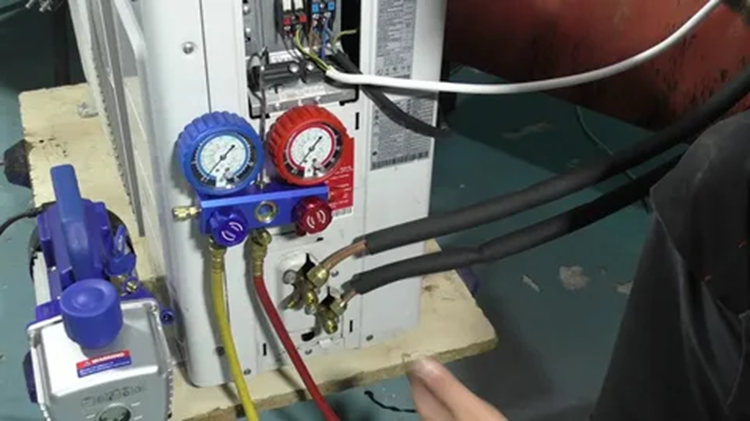
Recovering refrigerant (Freon) from an air conditioner—prior to replacing the indoor or outdoor unit, the refrigerant lines, or the entire system—is a mandatory procedure. It is essential for preserving the existing refrigerant charge, preventing the release of gas into the atmosphere, and preparing the system for safe dismantling.
Properly executed refrigerant recovery—as performed by https://www.friros.fi/kylmaaineen-tyhjennys/—helps avoid the loss of refrigerant and compressor oil. It also minimizes the risk of moisture and air entering the sealed circuit, thereby reducing the likelihood of future malfunctions following the installation of new equipment or the relocation of the refrigerant lines.
Why Refrigerant Recovery Is Necessary Before Dismantling
If the sealed refrigeration circuit is breached without prior refrigerant recovery, the refrigerant will escape into the atmosphere. This results in the loss of the working fluid, environmental contamination, and a risk of frostbite should the gas come into contact with skin. Furthermore, along with the refrigerant, a portion of the compressor oil is also lost, which compromises the conditions required for a successful subsequent system startup.
Refrigerant recovery is required not only when completely replacing an air conditioner but also during any work that involves opening the refrigerant lines—such as replacing piping, re-soldering connections, relocating the outdoor unit, replacing the heat exchanger, or repairing shut-off valves.
Key Benefits of the Procedure
- Recovery of refrigerant for reuse (provided it is clean and compatible with the system type).
- Enhanced safety during the dismantling and transport of system units.
- Reduced costs for subsequent refrigerant recharging and leak detection.
- Protection of the compressor by retaining the lubricating oil within the refrigerant circuit.
Conclusion: When Is Refrigerant Recovery Necessary During Split-System Dismantling?
Refrigerant recovery (pumping down) is required whenever the dismantling process involves breaching the hermetic seal of the refrigeration circuit—specifically, when disconnecting refrigerant lines, removing system units, replacing components, or relocating the equipment. This minimizes refrigerant loss, helps preserve the operational integrity of the compressor, and simplifies subsequent installation and system startup.
If the circuit remains sealed and the refrigerant lines are not disconnected, the necessity of pumping down is determined by the specific working conditions and the manufacturer’s requirements. In all other instances, recovering the refrigerant prior to dismantling is a practical minimum standard for ensuring safe equipment replacement and maintenance.
Key Scenarios Where Pumping Down Is Mandatory
- Relocating the split-system to a different room or facility, involving the disconnection of refrigerant lines.
- Replacing the outdoor or indoor unit, requiring the disconnection of refrigerant piping.
- Shortening or extending the refrigerant lines, or replacing copper tubing, fittings, or service valves.
- Post-leak repairs: brazing, replacing sections of the refrigerant line, or repairing damaged components.
- Replacing the compressor, condenser, evaporator, four-way valve, or other components within the refrigerant circuit.
- Dismantling followed by long-distance transport or extended storage, where maintaining the internal cleanliness and dryness of the system is critical.